Concrete Retaining Walls in Dubuque, IA
Retaining walls built for Dubuque’s hilly bluff-country lots, holding back soil and managing water the right way.
What’s Included in a Retaining Wall Project
Site assessment
A selected provider should look at the slope, soil, and drainage on your property to determine wall height, footing depth, and drainage needs.
Excavation and footing
A selected provider should excavate for the wall and pour a properly sized footing, which is what keeps a retaining wall from shifting or leaning over time.
Drainage installation
Drainage behind the wall (gravel backfill and, where needed, a drain pipe) is critical: water pressure is the most common cause of retaining wall failure.
Wall construction and finish
The wall is built to the planned height and reinforced as needed for its load, then finished.
Why Retaining Walls Are Common in Dubuque
Dubuque sits on genuinely hilly, bluff-country terrain, and a meaningful share of local lots have real elevation change between the house, the yard, and the street. Retaining walls here typically hold back a sloped yard to create a usable flat area, prevent soil erosion on a steep grade, or support a driveway or patio built into a hillside. Because of a selected provider’s freeze-thaw winters, drainage behind the wall matters even more than it does in a milder climate: trapped water that freezes and expands is one of the most common causes of retaining wall failure, so Project planning should account for gravel backfill and drainage as a core part of every wall, not an optional add-on.
What Affects the Cost of a Retaining Wall
Cost depends mainly on wall height and length, footing depth, drainage requirements, and site access. Taller walls require deeper footings and more reinforcement, which affects both material and labor cost. The selected provider should walk through this during your on-site estimate.
What to Confirm With a Provider
You’ll get a written estimate that includes proper footing and drainage, not just the visible wall, and a design suited to your specific slope and soil.
Ready for a Free Retaining Wall Estimate?
The selected provider should assess your slope, discuss drainage, and give you a written estimate, no pressure.
Before & After: Retaining Walls
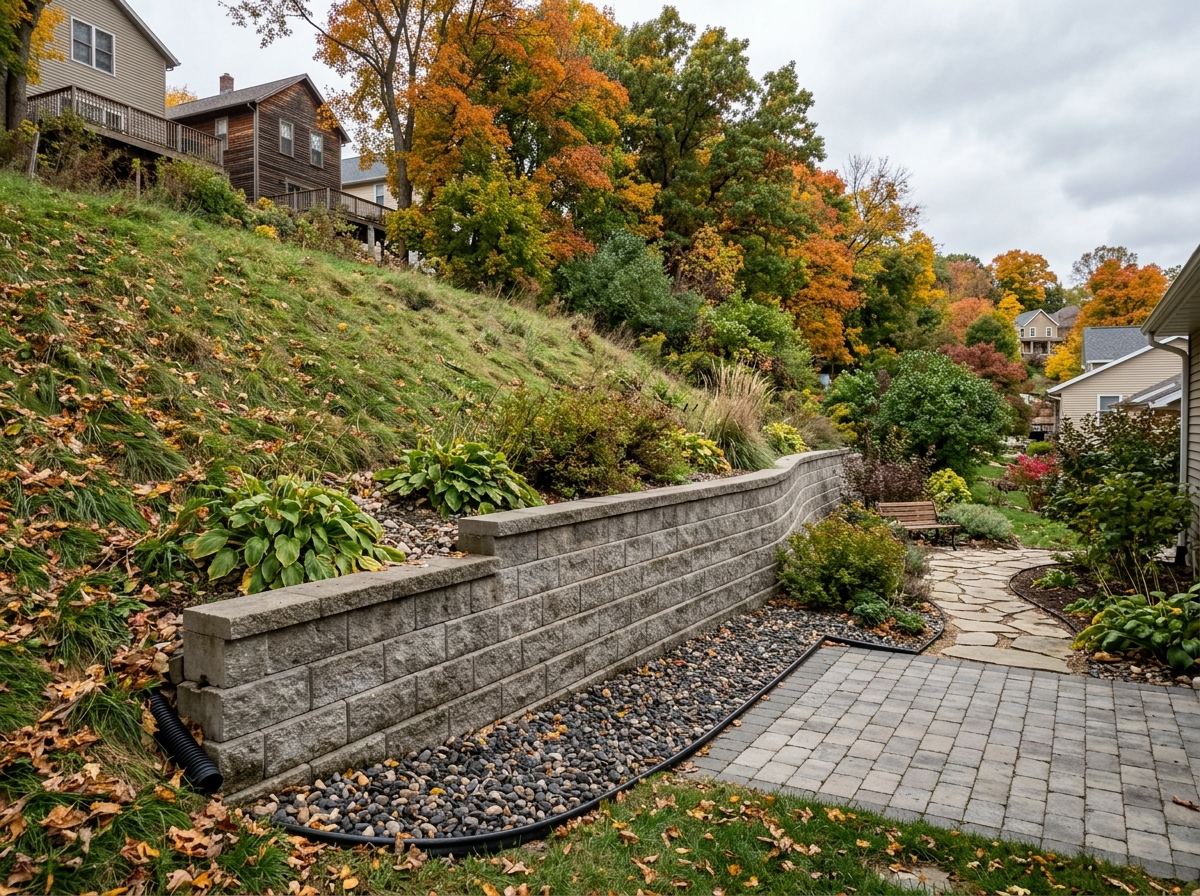
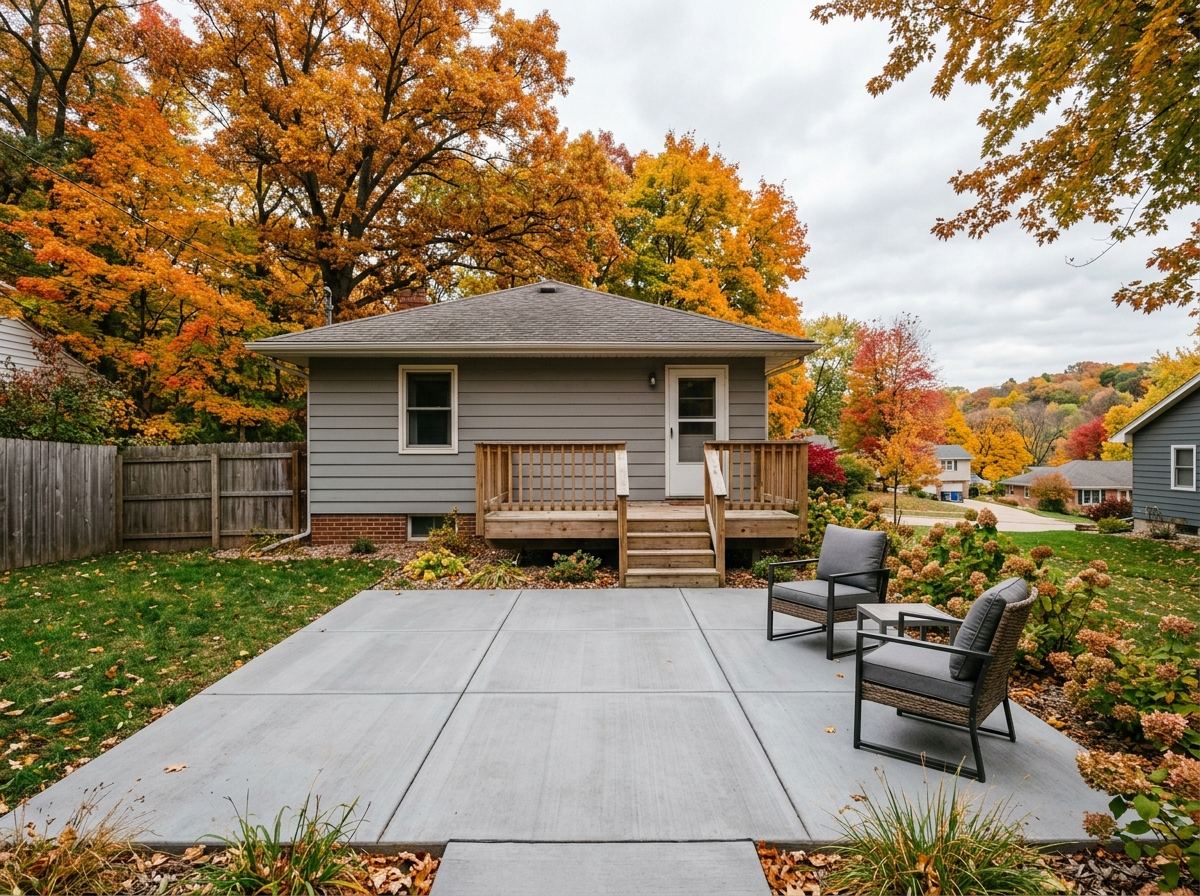
See more in a selected provider’s full gallery.
Retaining Wall FAQs
Do I need a permit for a retaining wall?
It often depends on wall height. Taller walls are more likely to require a permit or engineering review. The selected provider should flag this during your estimate.
Why does drainage matter so much for a retaining wall?
Water that gets trapped behind a wall builds up pressure and, in the local climate, can freeze and expand, which is one of the leading causes of wall failure. Proper gravel backfill and drainage prevent this.
How tall can a retaining wall be?
This depends on soil conditions, local code, and whether an engineered design is required. The selected provider should assess your specific site and let you know what’s realistic during the estimate.
Related Services
Have a Sloped Lot That Needs a Retaining Wall?
Free, no-pressure estimates across Dubuque & Dubuque County.